
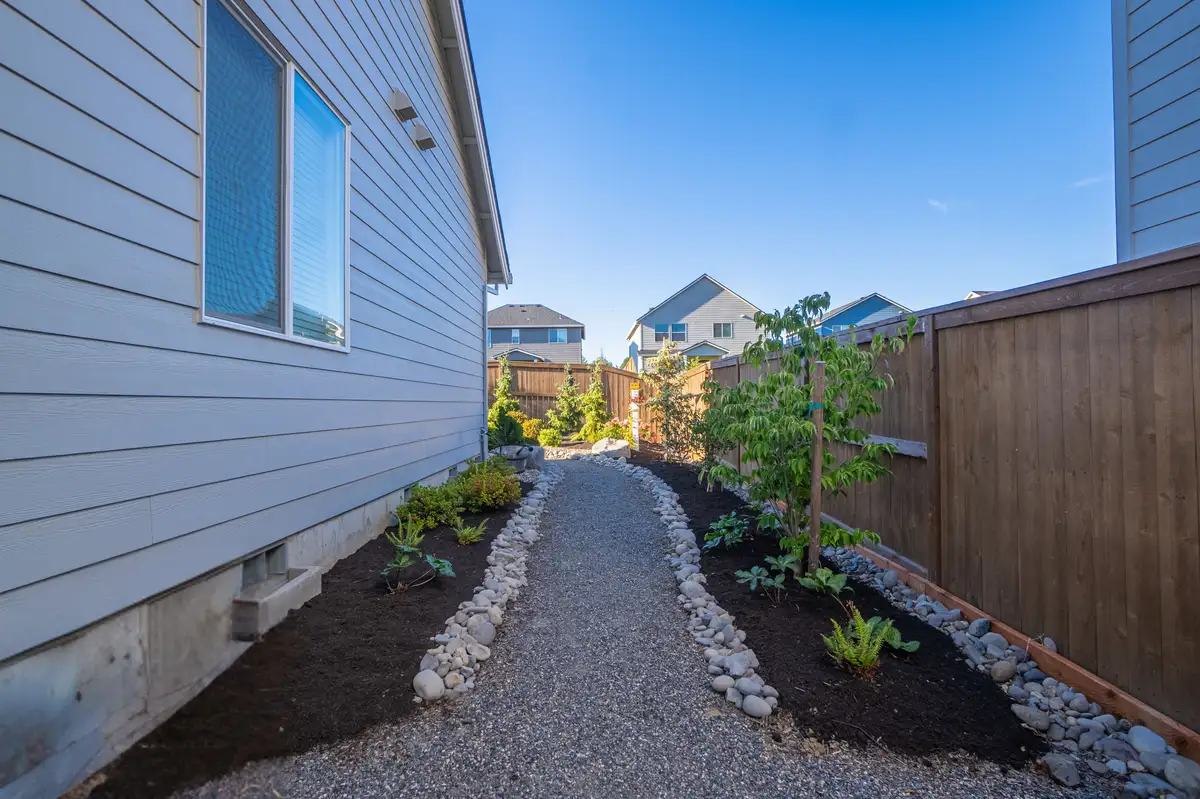
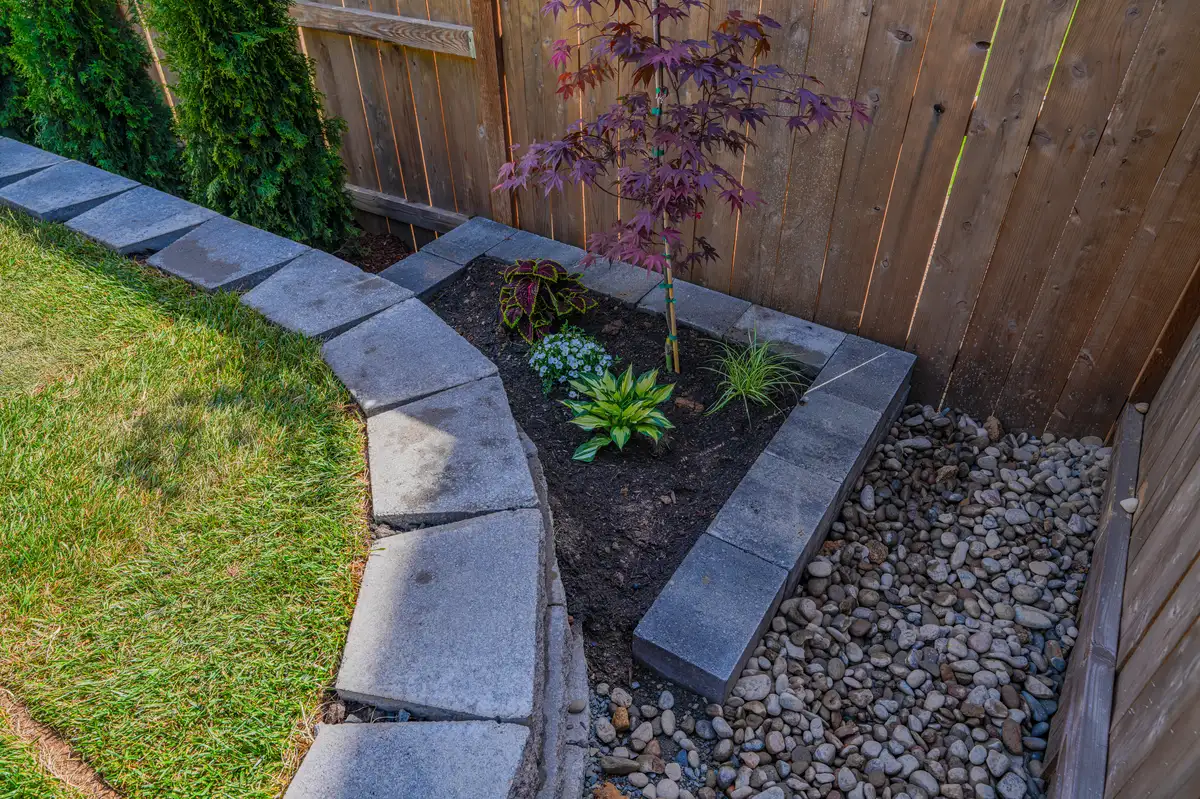
Before booking landscaping in Wilsonville, make sure every estimate is describing the same kind of work. “Landscaping” may mean a one-time yard renovation, new landscape installation, a targeted clean up, or ongoing lawn care. Those are different scopes with different preparation, materials, schedules, and maintenance expectations.
Start by showing the contractor how you want to use the property and what is not working now. CreekView Landscape LLC provides landscaping services that can bring grading, lawn, planting, mulch, turf, pavers, retaining walls, and clean finish work into one coordinated plan.
Before the site visit
List the areas you want changed, note where water collects or materials wash out, and decide which results matter most: easier upkeep, a better lawn, more usable space, cleaner bed lines, or a connected landscape and hardscape plan. That gives the walkthrough a clear starting point.
1. Is this installation, renovation, clean up, or recurring care?
Ask the contractor to name the type of work being estimated. A landscape installation may include removal, grading, soil preparation, planting, sod, mulch, and new edges. A renovation may keep some existing features and rebuild others. Lawn care focuses on ongoing upkeep, while a yard clean up is a defined reset rather than a continuing maintenance plan.
This distinction is important because a broad search for a landscaper can surface companies with very different specialties. Confirming the category first helps you compare contractors that actually fit the work you need.
2. What removal and ground preparation are included?
A finished yard depends on what happens before the visible materials go in. Ask whether the scope includes removing old lawn, weeds, roots, rock, edging, or debris. Then ask what will be done to address compacted ground, uneven areas, soil condition, and the base beneath turf or pavers.
Willamette Valley clay soils can hold water and become difficult to work when wet. That does not mean every property needs the same treatment; it means the site conditions should be evaluated before a contractor recommends finish materials. The estimate should separate removal, preparation, and installation clearly enough for you to understand each step.
3. How will grading and water movement affect the plan?
Wilsonville yards have to perform through rainy stretches and dry summer periods. Point out standing water, soft lawn, washed mulch, downspout discharge, or runoff near patios and foundations. Ask where surface water is expected to move after the work is complete.
Grading and drainage connect to nearly every part of a landscape: lawn and sod, planting-bed elevations, the base below artificial turf, paver transitions, and drainage behind retaining walls. These decisions should be discussed before new finish materials cover the site.
4. Which materials fit the way each area is used?
Describe sun and shade, foot traffic, pets, play, seating, irrigation, and the amount of maintenance you want. Natural lawn may fit an open area where mowing and seasonal care are acceptable. Turf may suit a frequently used space. Mulch can define planting beds, cover soil, and reduce exposed areas around trees and shrubs.
Ask why each proposed material suits its specific location. A useful answer should connect the recommendation to use, preparation, water movement, upkeep, and how it meets adjoining surfaces—not appearance alone.
5. Should pavers, walls, or future phases be planned now?
A patio, walkway, or wall can affect access, elevations, drainage paths, and bed lines. Even if hardscape belongs to a later phase, mention it before landscape work begins. CreekView also provides paver installation, turf installation, and retaining walls, so connected portions of the yard can be evaluated together.
Ask which work should come first and what must be left ready for the next phase. A thoughtful sequence can reduce the chance that fresh lawn, mulch, or planting beds have to be disturbed later.
6. How will access, staging, and cleanup work?
Walk the route from the street to the project area. Gates, fences, steps, slopes, soft ground, and established planting can affect equipment, material delivery, debris removal, and labor. Ask where materials will be staged, what surfaces will be protected, and whether any access changes are expected.
Cleanup should also be specific. Confirm whether the scope includes hauling away removed material, sweeping hard surfaces, restoring the access route, and leaving bed edges and transitions finished.
7. What could change the price or schedule after booking?
Ask how the contractor handles conditions that cannot be confirmed until removal begins, material changes you request, and work added after the estimate. A clear estimate should identify the agreed scope, exclusions, allowances if any, and how changes will be approved.
Scheduling can also depend on material availability, site conditions, weather, and coordination between phases. Ask what needs to happen before the start date and what decisions must be final before materials are ordered.
8. What will the landscape need after installation?
New sod, plants, mulch, turf, pavers, and walls do not share the same handoff. Ask what watering, settling, cleaning, mowing, or other care will be needed, when you can use the finished areas, and whom to contact if a question comes up after completion.
Understanding aftercare before booking helps you choose materials that fit the time and upkeep you can realistically provide.
Wilsonville landscaping FAQ
What should I ask before booking landscaping in Wilsonville?
Ask whether the project is a renovation, installation, or ongoing maintenance; what removal and site preparation are included; how grading and drainage will be handled; which materials fit the way you use the yard; how crews will access the work area; and what aftercare you will need to provide.
What is usually included in a landscaping estimate?
A clear estimate should identify the work areas, removals, site preparation, materials, installation, cleanup, and any homeowner responsibilities. It should also explain how changes to the agreed scope will be handled.
Why should drainage be discussed before landscape installation?
Grading and water movement affect lawns, planting beds, artificial turf, pavers, and retaining walls. Discussing drainage before finish materials are installed makes it easier to coordinate elevations, preparation, and transitions.
Can landscaping, pavers, turf, and retaining walls be planned together?
Yes. CreekView Landscape provides landscaping, paver installation, turf installation, and retaining walls, so connected areas can be evaluated together and sequenced to reduce avoidable rework.
Does CreekView Landscape serve Wilsonville, Oregon?
Yes. CreekView Landscape LLC provides landscaping and hardscaping services in Wilsonville and other south metro communities.
Plan your Wilsonville landscaping estimate
For more detail about local project planning, visit CreekView’s page for landscaping in Wilsonville, OR. When you are ready to discuss your property, contact CreekView Landscape for a free estimate or call (971) 983-6455.