
Before booking landscaping in Wilsonville, ask questions that reveal what will happen below the finished surface as well as what the yard will look like when the work is done. A useful conversation covers the purpose of each area, water movement, grade, access, preparation, material choices, cleanup, and the care the landscape will need afterward.
The word “landscaping” can describe anything from a focused bed refresh to a yard-wide renovation. CreekView Landscape LLC offers landscaping services along with turf installation, pavers, retaining walls, lawn care, clean up, and mulch installation. Defining which of those pieces belong in the project is the first step toward an estimate that is clear enough to compare.
The short version
Walk the property by area, name the problem each area needs to solve, and ask how the proposed work addresses drainage, access, preparation, finish materials, and maintenance. If a patio, wall, or turf area may be added later, mention it now so elevations and transitions can be planned in the right order.
1. What is included when you say “landscaping”?
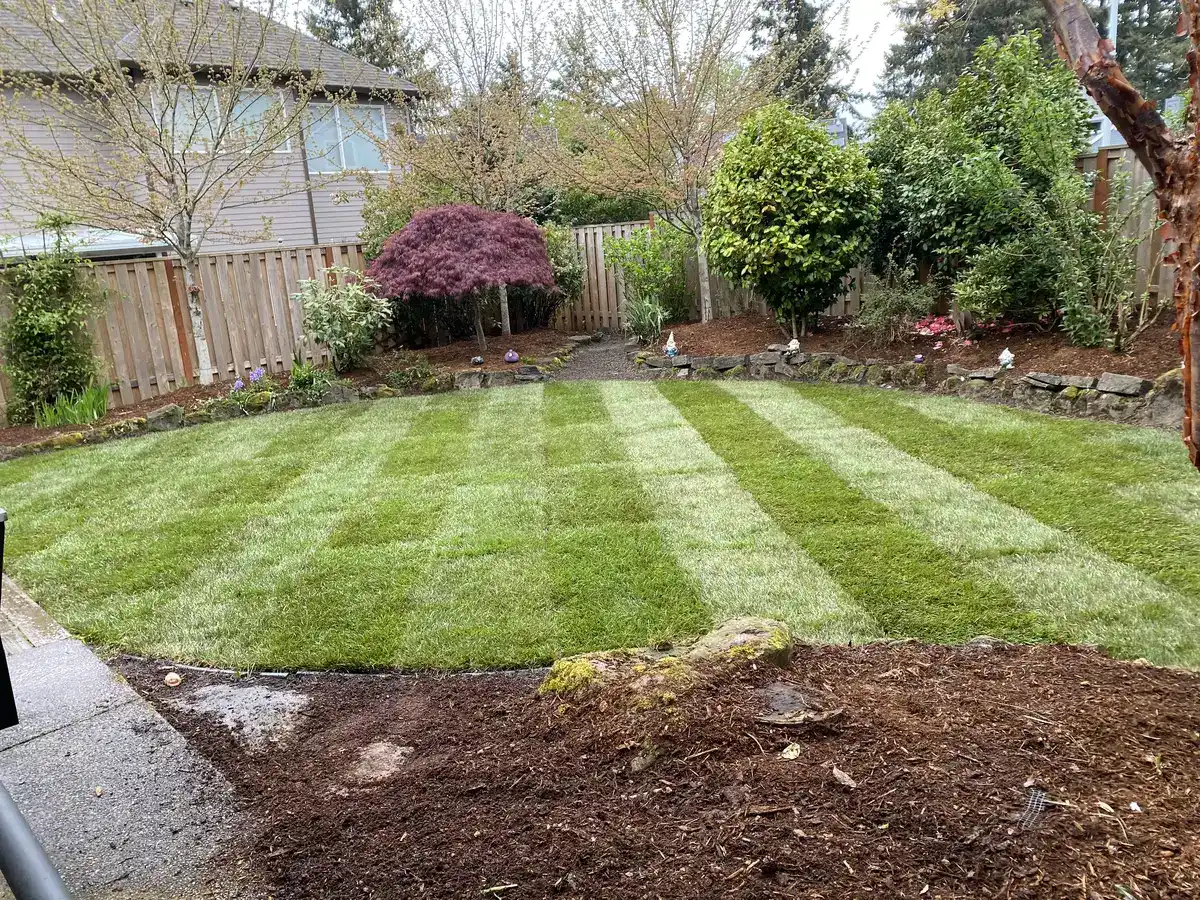
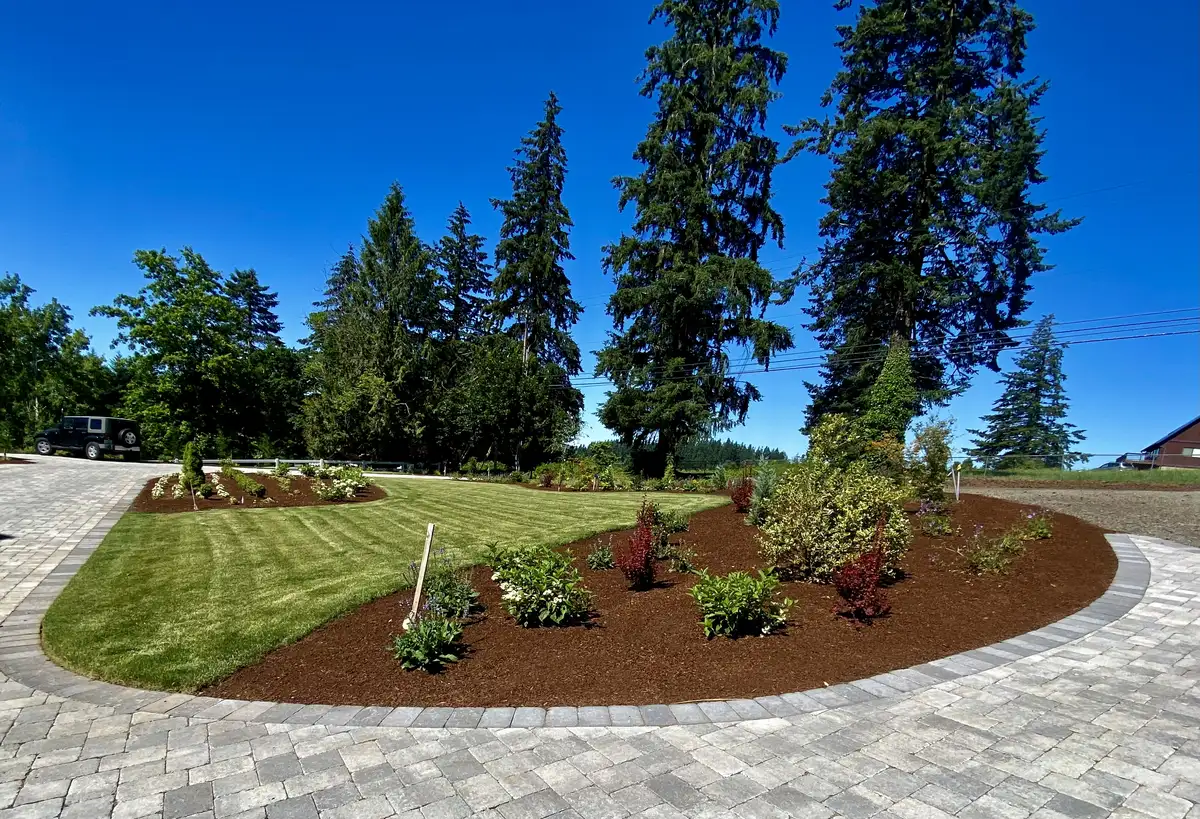
Begin by turning a broad request into a list of actual work areas. For example, a front yard might need lawn replacement, bed reshaping, new mulch, and a cleaner paver edge. A side yard may need a lower-maintenance surface because it is narrow, shaded, or heavily used. A backyard may need planting beds to connect a lawn or turf area to an existing patio.
Ask the contractor to describe removal, preparation, installation, and finish work separately. That makes it easier to understand whether the estimate includes old material removal, soil or base preparation, grading, edging, planting, sod, mulch, debris haul-away, and final cleanup. CreekView’s page for landscaping in Wilsonville, OR shows how lawn, planting, drainage-minded layout, mulch, turf, and hardscape connections can fit within one local project.
2. What should be corrected before new materials go in?
The visible finish is only part of a lasting landscape. Uneven grades, compacted areas, old roots, weak bed edges, or an unsuitable base can continue to cause problems after new sod, turf, mulch, or pavers are installed. Ask what the crew expects to remove, reshape, amend, compact, or rebuild before the finish layer begins.
This question is especially useful when two estimates describe similar materials but have different totals. One may include more preparation or disposal. The clearer each contractor is about the work underneath, the easier it becomes to compare the same scope instead of comparing finish materials alone.
3. Where will water move during rainy months?
Wilsonville landscape planning needs to account for rainy periods as well as dry summer use. During the site visit, point out low areas, soft lawn, washed mulch, water near a patio edge, or runoff moving toward a part of the property where it creates trouble. Ask how the proposed grade and finished surfaces will affect that movement.
Drainage is not a separate afterthought. It connects to soil preparation, lawn and turf base work, paver base and edge conditions, planting-bed elevations, and the drainage behind a retaining wall. A contractor should be able to explain the intended direction of surface water and which drainage-related work is included in the proposed scope.
4. Which surface fits how the yard is actually used?
Choose materials by use, not by appearance alone. Natural lawn may suit an open area where regular mowing and seasonal care make sense. Artificial turf may be worth discussing for a compact play area, pet-used space, or frequently worn path. Mulch and planting beds can reduce the amount of lawn while creating cleaner transitions around trees, fences, patios, and property edges.
Ask about sun and shade, foot traffic, pets, irrigation or watering expectations, and the amount of ongoing maintenance you want. A good plan can use more than one surface: lawn where it performs well, turf where repeated wear is the main issue, and mulch installation where beds support plants and simplify upkeep.
5. Should pavers or retaining walls be planned now?
Even if a patio, walkway, or wall belongs to a later phase, discuss it before the landscape work starts. Finished elevations, bed lines, drainage paths, access routes, and material transitions can all change when hardscape is added. Planning the connection early can help avoid removing fresh landscape work later.
CreekView also provides paver installation and retaining wall construction, so the landscape and hardscape portions can be evaluated together. Ask what must happen first, which parts can be phased, and what should be left ready for a future phase.
6. How will crews and materials reach the work area?
Access affects labor, equipment choices, staging, removal, and cleanup. Show the contractor the full path from the street to the work area. Narrow gates, fences, steps, slopes, established planting, soft ground, and existing patios can influence how soil, sod, turf, mulch, base rock, pavers, and debris move through the property.
Ask whether gates or fence panels need to be removed, where materials can be staged, what parts of the property will be protected, and how removed material will leave the site. Access details are easier to price and plan during the walkthrough than after work has started.
7. What is included in cleanup and the finished handoff?
“Cleanup” can mean different things. Confirm whether the estimate includes debris removal, excess soil or material haul-away, surface sweeping, bed touch-ups, and restoration of the access path. If existing material will stay on the property, the estimate should say where it will go.
Also ask what the yard should look like at handoff. Fresh sod may need watering instructions. New plantings may need an establishment plan. Mulch depth and bed edges should be clear. Turf, pavers, and walls may come with specific care guidance. The end of installation should include a practical explanation of what the homeowner handles next.
8. How can the work be divided without creating rework?
If the full wish list is larger than the current project, ask for a logical order. Preparation, grading, drainage-related work, walls, and major paver surfaces often affect the areas around them. Sod, turf, planting, and mulch are finish layers that may make more sense after those elevations and routes are set.
A phased plan should explain what happens now, what can wait, and how the first phase leaves clean transitions for the next one. This is more useful than simply removing line items until the estimate reaches a number, because it protects the long-term layout of the yard.
9. Does the estimate make the same promises as the conversation?
Before booking, read the estimate beside your notes from the site visit. Look for the work areas, removals, preparation, materials, installation details, drainage or grading items, cleanup, and any homeowner responsibilities. If a decision is still open—such as sod versus turf, mulch type, or the extent of a paver connection—ask how that choice will be documented.
The lowest number is not automatically the same scope. A detailed estimate helps you see what is included, what is excluded, and which assumptions could change the work. It also gives both homeowner and contractor a clearer reference before scheduling begins.
Wilsonville landscaping FAQ
What should I ask a landscaper before booking in Wilsonville?
Ask what the scope includes, how drainage and grading will be handled, which materials fit the way you use the yard, how crews and materials will access the work area, what cleanup is included, and what care the finished landscape will need.
How does Wilsonville weather affect landscape planning?
Plan for both rainy months and dry summer periods. Drainage, grade, base preparation, soil condition, plant placement, and watering expectations should be discussed before finish materials are installed.
Should drainage be planned before sod, turf, or pavers?
Yes. Drainage, grading, and base preparation affect natural lawn, artificial turf, paver surfaces, planting beds, and retaining walls. It is easier to address these details before the finished surface goes in.
Can CreekView coordinate landscaping with pavers, retaining walls, or turf?
Yes. CreekView Landscape provides landscaping, paver installation, retaining walls, and turf installation, allowing connected parts of the yard to be considered under one project plan.
What should a landscaping estimate include?
A clear estimate should identify the work areas, preparation and removal, materials, grading or drainage-related work, installation scope, cleanup, and any owner responsibilities or items that are not included.
Request a landscaping estimate in Wilsonville
CreekView Landscape LLC serves Wilsonville, OR and nearby south metro communities. If you are considering a focused refresh or a connected landscape and hardscape project, use the contact page to request a free estimate or call (971) 983-6455.