
The Landscape Design Process: What Oregon Homeowners Should Expect From Start to Finish
Most homeowners who contact a landscaping company know what they want their yard to look like, but few know what the design and installation process actually involves. The gap between the mental picture and the finished project is where miscommunication happens, timelines slip, and budgets expand. Understanding how landscape design works from initial contact through final walkthrough eliminates most of that friction and helps you make better decisions at every step.
This guide walks through the landscape design process as we handle it at CreekView Landscape, with specific context for Oregon's climate, soil conditions, and seasonal timing that affect when and how projects move forward in the Portland metro area.
Step 1: Initial Consultation and Site Visit
Every project starts with a conversation, usually a phone call or form submission, followed by an on-site visit. The consultation serves two purposes: we learn what you want, and we assess what the site allows.
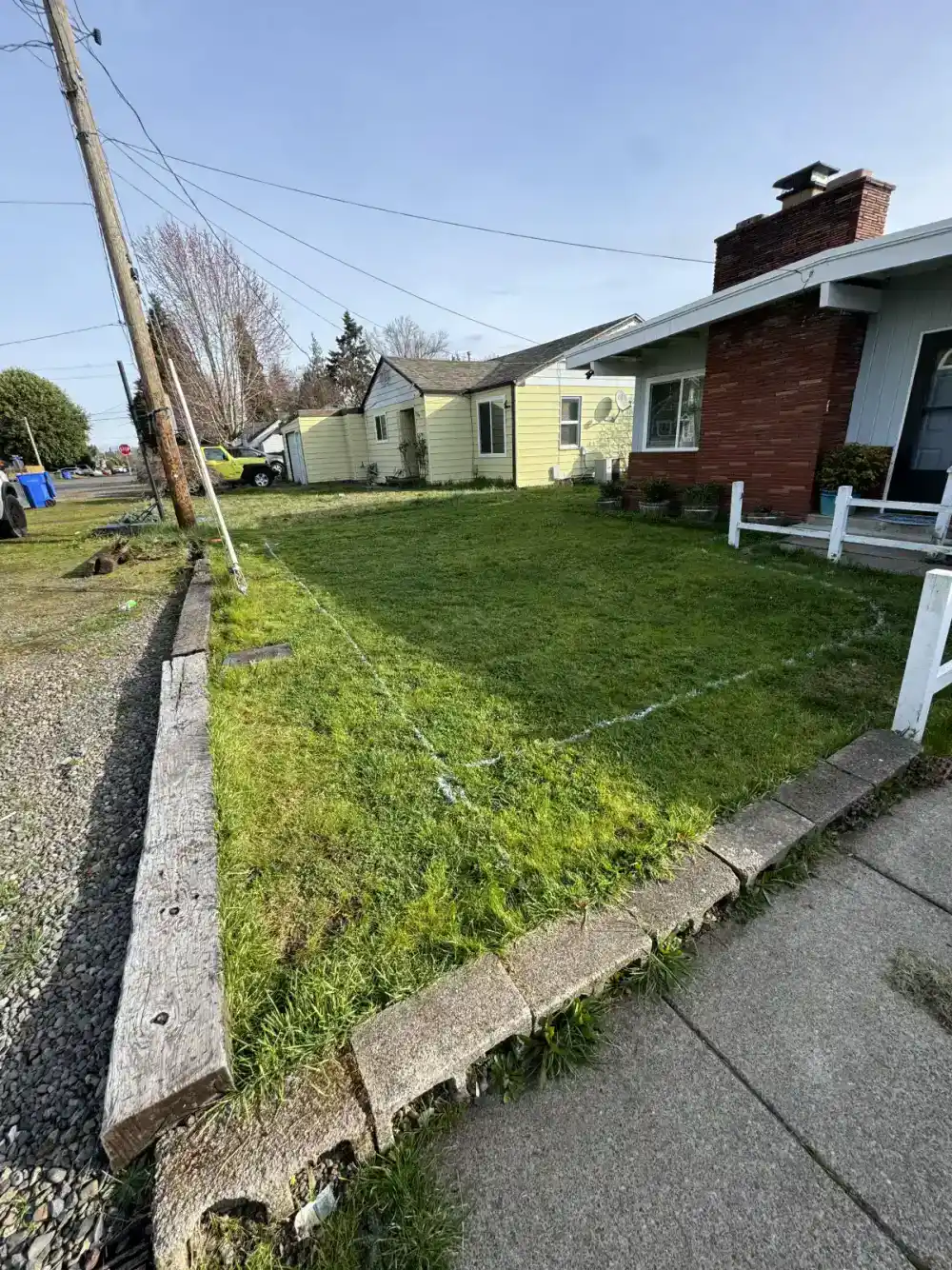
During the site visit, we evaluate drainage patterns (critical in Oregon, where fall and winter rainfall can create problems that are invisible during the dry summer months), sun exposure across the property throughout the day, existing soil conditions (the Willamette Valley's clay-heavy soils present specific challenges for drainage and plant health), slope and grade changes that affect water flow and structural requirements, existing trees and plants worth preserving, utility locations (irrigation lines, gas, electrical, sewer), and the condition of any existing hardscaping, fencing, or structures.
We also discuss budget range during the first visit. This is not a commitment — it is a planning tool. A homeowner with $15,000 and a homeowner with $60,000 will receive different design recommendations for the same yard, and knowing the target range early prevents wasting time on designs that do not match the investment level.
Step 2: Design Development
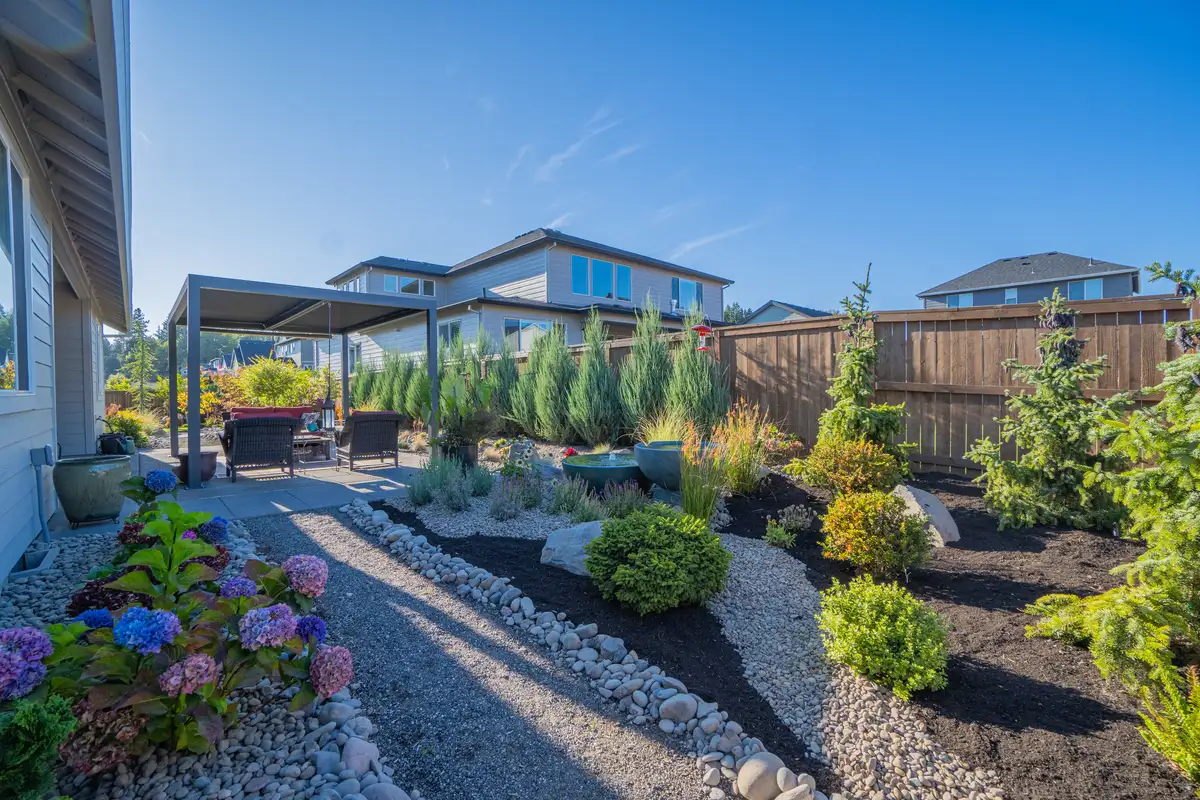
After the site visit, we develop a design plan that translates your goals into a buildable layout. For most residential projects in Wilsonville, West Linn, Lake Oswego, and surrounding communities, this includes a scaled site plan showing existing conditions and proposed changes, material selections for hardscape elements (pavers, retaining walls, edging, steps), plant selections appropriate for the specific sun, soil, and moisture conditions of your site, grading and drainage plans if water management is part of the scope, and an itemized estimate breaking down materials, labor, and timeline.
Oregon-Specific Design Considerations
Designing for the Portland metro area means designing for two distinct seasons: eight months of consistent rainfall and four months of almost no rain. Every material choice, plant selection, and drainage decision must account for both extremes.
Permeable paver systems are increasingly important in Oregon because they allow stormwater to infiltrate the ground rather than running off into storm drains. Many municipalities in the Portland area, including Wilsonville, Tigard, and Beaverton, have stormwater management requirements that affect how much impervious surface (solid pavers, concrete, roofing) can be added to a residential lot. A good design accounts for these requirements from the beginning rather than discovering them during permitting.
Plant selection is equally climate-driven. Native and adapted plants that thrive in Oregon's wet winters and dry summers require dramatically less irrigation, less maintenance, and less replacement than plants chosen solely for appearance. We prioritize species that establish quickly, tolerate clay soil, and survive the July-through-September drought without supplemental watering once established.
Step 3: Design Review and Revision
We present the design plan and estimate to you for review. This is the point where changes are easiest and cheapest to make. Moving a patio six feet to the left costs nothing on a design plan. Moving it six feet to the left after the base material is compacted costs real money.
Common revisions at this stage include adjusting the size of hardscape areas to match budget, swapping material selections (for example, choosing a different paver style that achieves a similar look at a different price point), adding or removing features like fire pits, seating walls, or water features, and modifying plant selections based on maintenance preferences.
Most residential landscape designs go through one to two rounds of revision before reaching a final plan. We do not charge separately for reasonable revisions because getting the design right before construction starts saves both of us time and money during the build phase.
Step 4: Scheduling and Material Procurement
Once the design is approved, we schedule the project based on seasonal timing, material lead times, and crew availability. Oregon's construction calendar has specific windows that affect landscape projects.
The ideal installation window for most landscape projects in the Portland metro area is April through October. Hardscape work (pavers, walls, grading) can happen anytime the ground is not frozen or saturated, which in practice means March through November in most years. Planting is best done in fall (September through November) when roots establish during the wet season, or in spring (March through May) when temperatures are mild and rainfall supports establishment.
Material procurement typically takes one to three weeks depending on the selections. Standard pavers and retaining wall blocks from regional suppliers are usually available within a week. Specialty materials, custom-cut stone, or specific plant varieties may require longer lead times. We order materials after design approval to avoid storage issues and to ensure availability of the exact products specified in your plan.
Step 5: Site Preparation
Site preparation is where the visible transformation begins. Depending on the project scope, this phase may include demolition of existing hardscape, removal of unwanted plants or structures, rough grading to establish proper drainage slopes, trenching for irrigation lines and landscape lighting conduit, soil amendment for planting beds (especially important in the Willamette Valley's clay soils, which often need organic matter and improved drainage), and base preparation for paver and wall installations.
Site prep is often the most disruptive phase of the project. The yard will look worse before it looks better. Equipment access, material staging, and demolition debris create temporary mess that is a normal part of the process, not a sign that something has gone wrong.
Step 6: Hardscape Installation
Hardscape elements are installed before plantings because the heavy equipment and base materials involved would damage any new plants. The typical hardscape installation sequence is excavation and base preparation (gravel, compacted aggregate), edge restraint installation, paver or stone placement, retaining wall construction (if applicable), step and stairway construction, and joint filling and sealing.
The base preparation is the most important and least visible part of any hardscape installation. A properly compacted base prevents settling, shifting, and cracking over the years. In Oregon's freeze-thaw climate, where soil moisture levels swing dramatically between seasons, base depth and compaction are even more critical than in milder climates.
Step 7: Softscape and Planting
With hardscaping complete, the softscape phase transforms the space from construction site to landscape. This includes soil preparation and amendment for planting beds, tree, shrub, and perennial installation, turf installation (sod or seed, depending on the plan), mulch application (see our mulching guide for depth and material recommendations), and irrigation system installation or adjustment.
Plant spacing follows mature size, not current nursery size. New plantings will look sparse on installation day. This is intentional and correct — plants spaced for their mature dimensions will fill in naturally over one to three growing seasons. Overcrowding plants for immediate impact creates maintenance problems and plant health issues within two to three years.
Step 8: Final Walkthrough and Care Instructions
After installation is complete, we walk the property with you to review every element of the project: confirm material placement matches the approved design, identify any items that need adjustment, review irrigation zones and watering schedules, provide care instructions for new plantings (especially the critical first-summer watering requirements), and discuss the establishment timeline for lawn care and plant growth.
The first growing season after installation is the most critical period for plant survival. New plantings have not yet developed the root systems they need to access deep soil moisture during Oregon's dry summer months. Supplemental watering during the first July through September is essential, even for native and drought-tolerant species that will eventually survive without irrigation once established.
Timeline: How Long Does the Process Take?
For a typical residential landscape project in the Wilsonville area, expect the following timeline from initial contact to completed installation:
- Consultation and site visit: 1 week from initial contact
- Design development: 1 to 3 weeks
- Design review and revision: 1 to 2 weeks
- Scheduling and material procurement: 1 to 3 weeks
- Construction: 1 to 4 weeks depending on scope
- Total: 5 to 13 weeks from first call to completed project
Smaller projects (a patio and planting bed refresh) land at the shorter end. Larger projects (full backyard remodel with retaining walls, drainage, irrigation, and extensive planting) land at the longer end. The design and planning phases typically take longer than the actual construction, which is normal and produces better results than rushing into construction without adequate planning.
Start Your Landscape Design
CreekView Landscape provides complete landscape design and installation across Wilsonville, West Linn, Lake Oswego, Sherwood, Tigard, Beaverton, Tualatin, and Happy Valley. Every project starts with a free on-site consultation where we assess your property, discuss your goals, and outline a design approach that matches your budget and timeline.
Summer is the best time to design for a fall installation, which gives new plants the best establishment window heading into Oregon's wet season.
Or call us at (971) 983-6455.
About CreekView Landscape
CreekView Landscape LLC is a locally owned landscaping and hardscaping company based in Woodburn, Oregon. Founded in 2024, the team specializes in paver patios, retaining walls, turf installation, and complete backyard remodels serving homeowners across Portland's south suburbs.